Solution Detail 1

Common Material Handling Bottlenecks in Automated Fabs

Fabs often face these challenges when connecting existing tools to automated handling systems. They guide how CHiFF designs its transfer and exchange equipment.

Insufficient Buffering at the Tool Interface
Existing process tools in 200 mm fabs may lack a direct OHT interface, leaving operators to transfer wafer carriers by hand.
Low Tool Utilization
Frequent manual transfers and long waits slow material flow and reduce tool utilization.
Long Restart Times After Relocation
Fixed installations take longer to return to service after maintenance or relocation, increasing downtime.
Limited Fab Space
Tight layouts in existing fabs can require extensive equipment rearrangement.
Integration Across Process Stages
Different process stages and equipment types can have incompatible interfaces.

How CHiFF Addresses These Challenges

Automated Handoffs and Carrier Handling

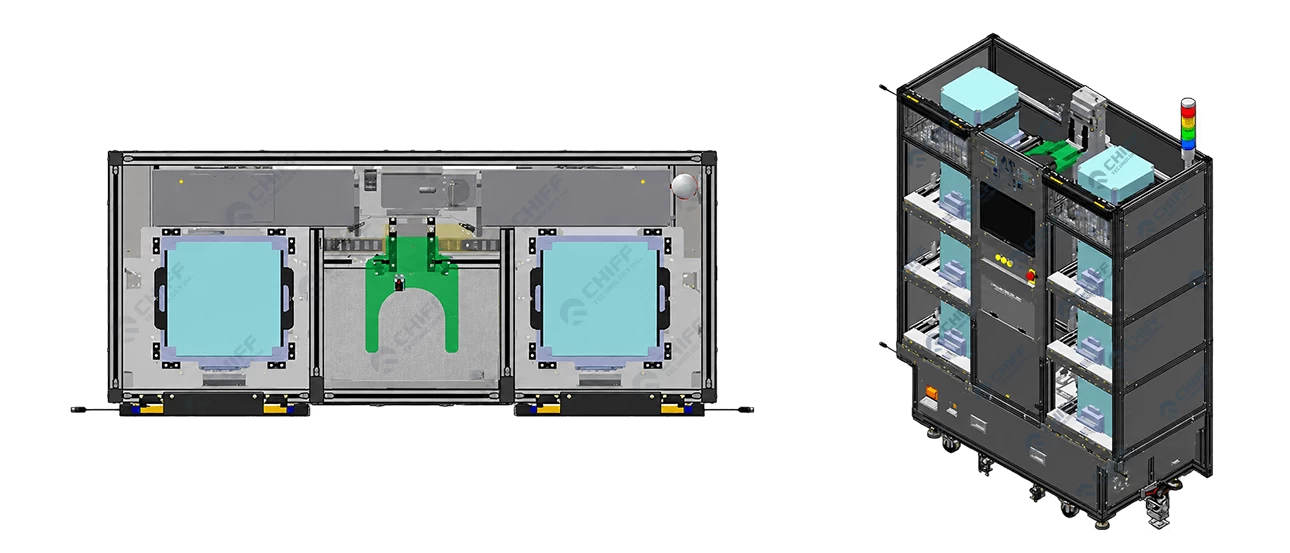
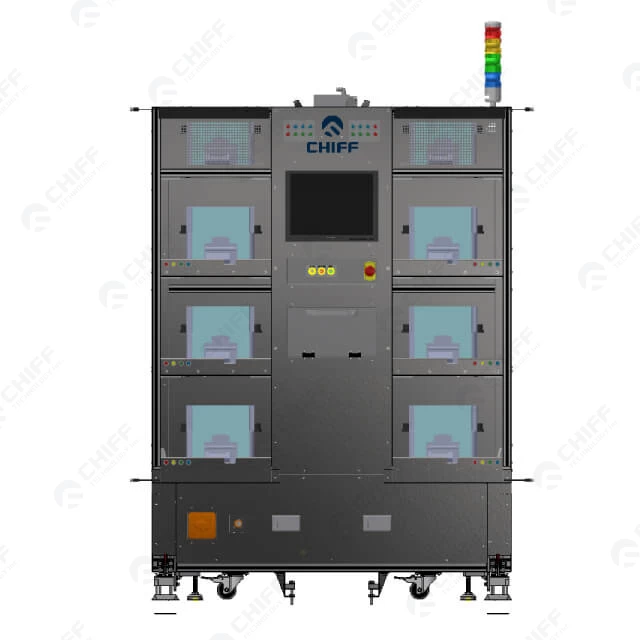
  • Automated carrier handoff: The system automatically loads and unloads carriers and coordinates with OHT to improve material flow and simplify operator interaction.
  • Buffer storage and station-to-station transfer: Compact storage supports automated transfers between process stations, reducing tool idle time and material wait time.
 

atv bf 3

Slim, Modular Layout

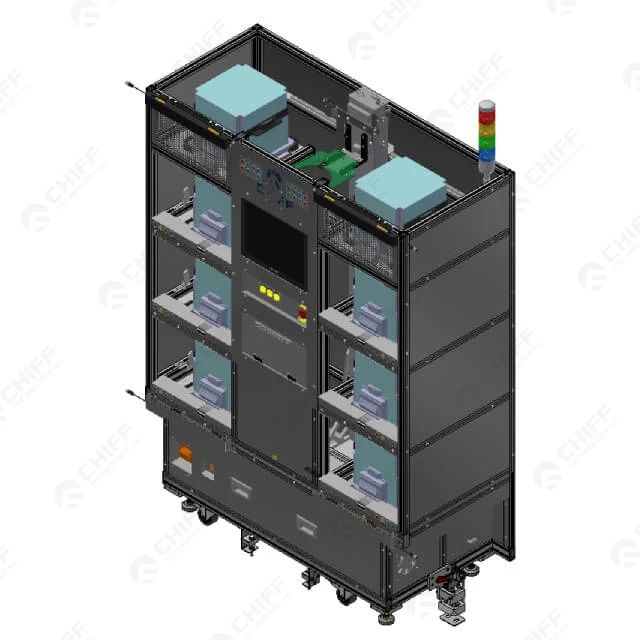
  • Slim profile: The system fits in aisles, along walls, or between tools, making better use of cleanroom floor space.
  • Modular storage: Add or reconfigure storage locations as production requirements change.
atv bf 4

Options for Different Fab Handling Systems

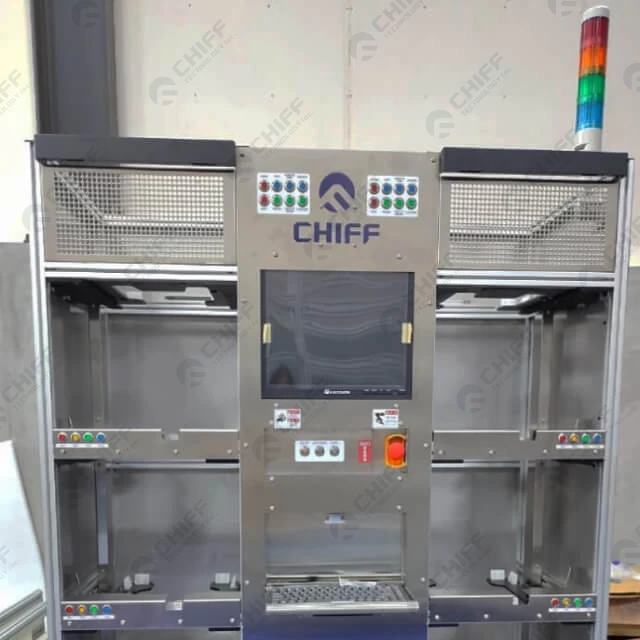
Configuration options: Choose PGV, AGV, or another configuration suited to the fab’s handling requirements.

atv bf 5

Operational Benefits

01
Improve tool utilization by reducing idle time while tools wait for carriers.
02
Reduce manual transfers and wait time, lowering the risk of carrier damage during handling.
03
Improve carrier transfer efficiency and overall system reliability.
04
Automate transfer and buffering between process stations to improve throughput.