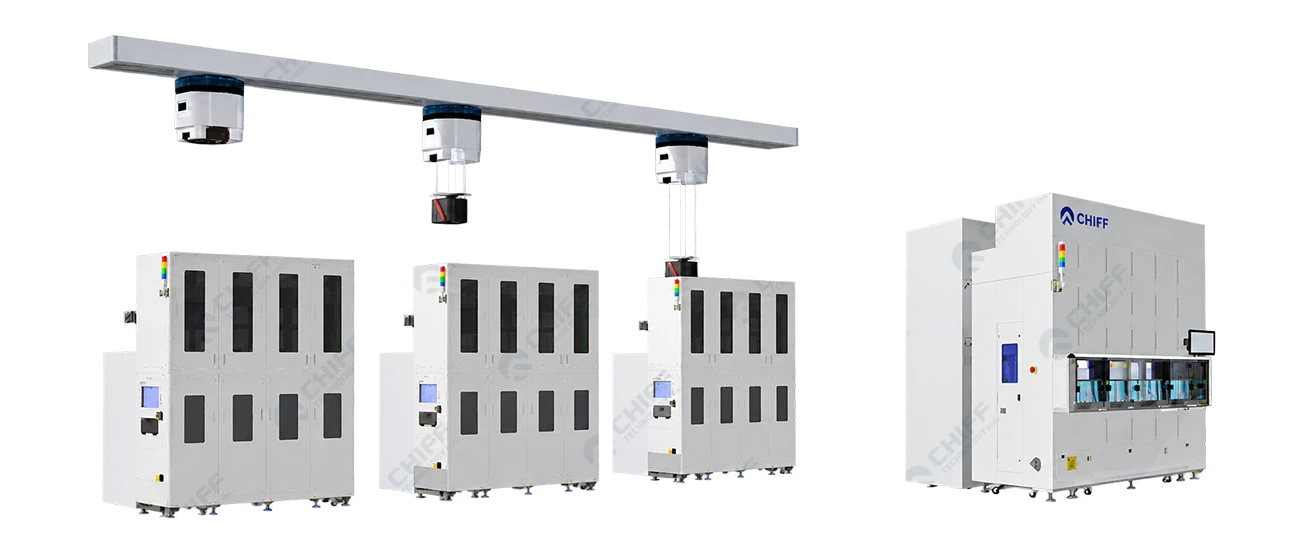
Near tool material buffer solution

Common Material Handling Bottlenecks in Automated Fabs

Fabs often face these challenges when connecting existing tools to automated handling systems. They guide how CHiFF designs its transfer and exchange equipment.

Insufficient Buffering at the Tool Interface
Existing process tools and OHT systems can operate at different rates across fabs of various wafer sizes, creating a need for buffering.
Low Tool Utilization
Slow carrier handoffs affect material flow and leave process tools idle.
Limited Fab Space
Improving material flow in a tight fab layout can require extensive equipment rearrangement.
Integration Across Process Stages
Different process stages and equipment types can have incompatible interfaces.

How CHiFF Addresses These Challenges

Independent Buffering Keeps Tools Running

OHT unloads carriers at a buffer near the tool. The load port then feeds them into the tool at its own processing rate, allowing OHT deliveries and tool operations to run independently.
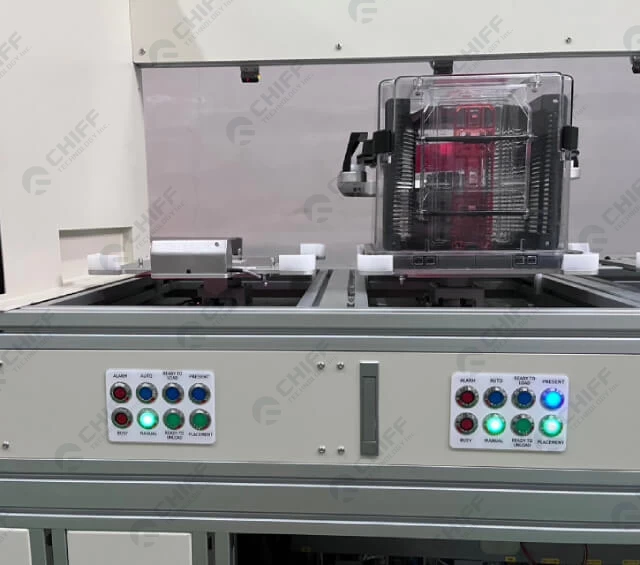
 

near tool buffer 3

Two-Way Data Exchange for Accurate Dispatch

Two-way communication with the host or MCS via SECS/GEM reports buffer occupancy and tool status in real time, allowing the supervisory system to dispatch carriers based on current conditions.
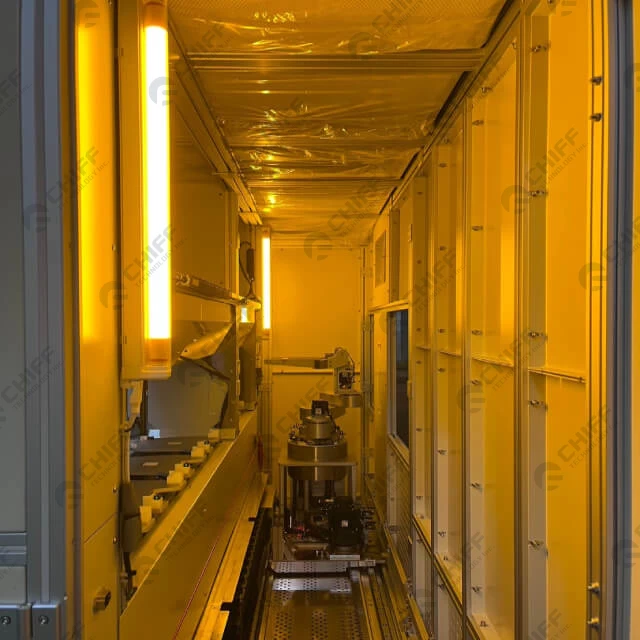
near tool buffer 4

Modular Deployment Within the Existing AMHS

CHiFF adapts the configuration to the available space and existing AMHS. Deployment can start with a single-tool trial or cover an entire production line.
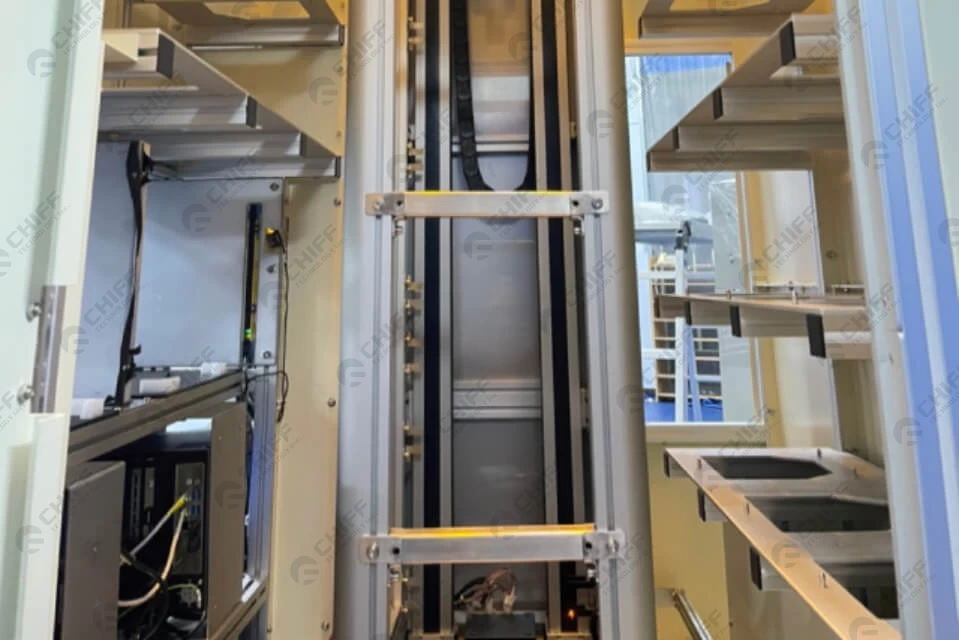

near tool buffer 5

Operational Benefits

01
Reduce Tool Wait Time and Improve Utilization
02
Give OHT Dispatchers More Scheduling Flexibility
03
Reduce the Risk of Carrier Damage
04
Host/MCS connectivity provides more timely information on carrier locations and tool status, supporting capacity analysis and dispatch decisions.